Nong Khiaw & Muang Ngoy
Plan Nong Khiaw and Muang Ngoy with viewpoint hikes, Nam Ou boat trips, caves, village treks, accommodation advice and a practical northern Laos itinerary.
- Best for
- Mountain scenery, hiking, river travel and a slower northern Laos stop
- Ideal stay
- 4–6 days across both villages
- Last reviewed
- 2026-07-23
Why visit Nong Khiaw and Muang Ngoy?
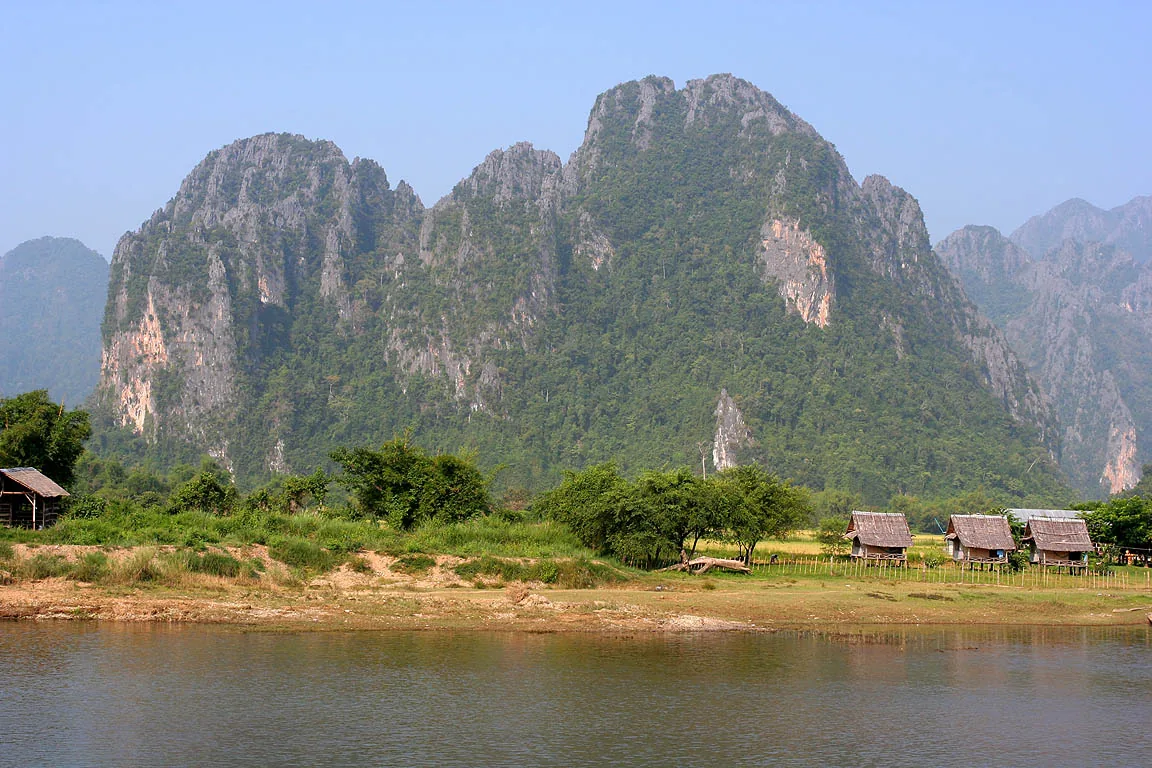
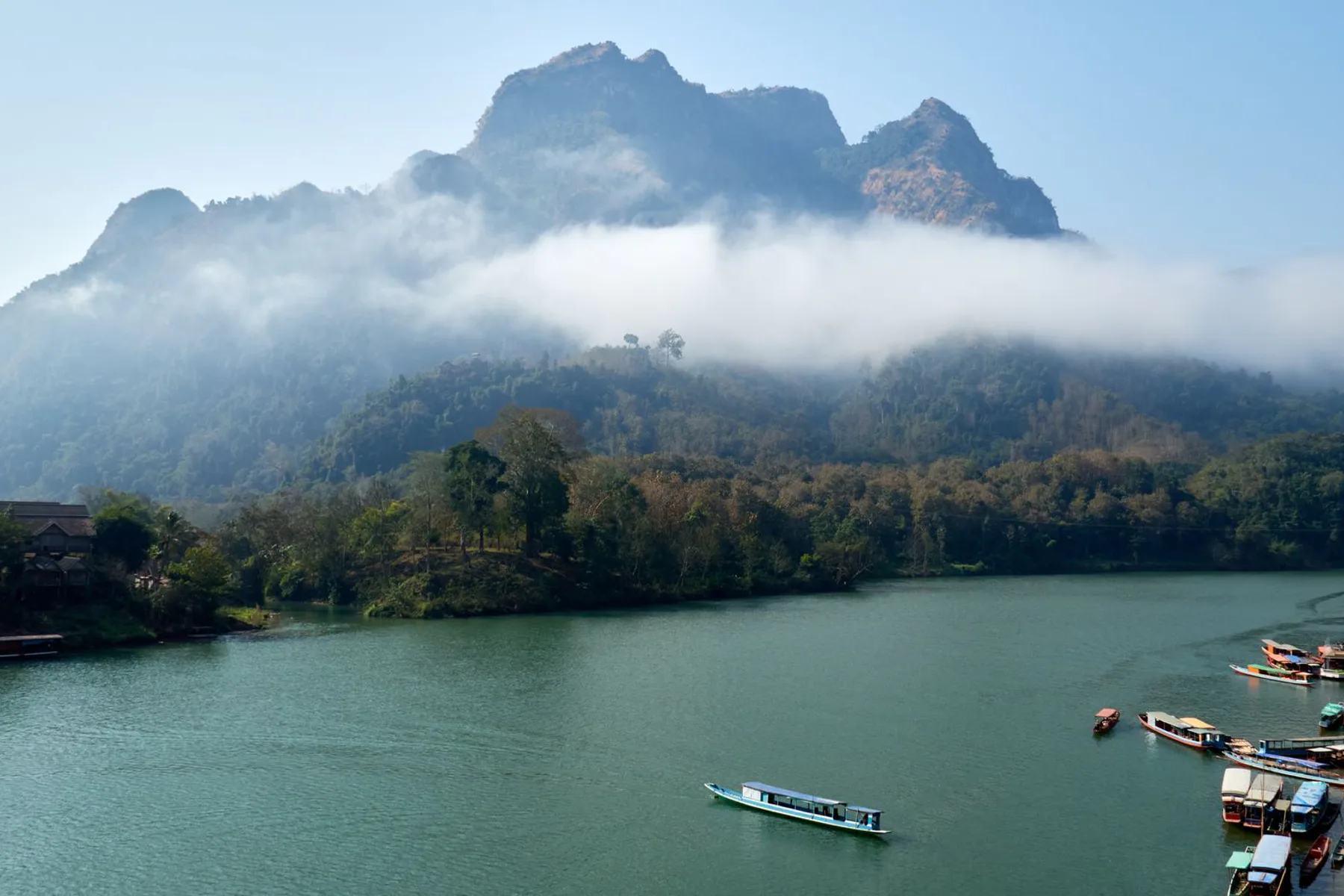
Nong Khiaw is one of the strongest additions to a northern Laos itinerary. The town sits on both banks of the Nam Ou River below steep limestone mountains, with enough guesthouses and restaurants to make travel easy without losing the feeling of a small riverside base.
Muang Ngoy lies farther upriver and feels quieter. It works best as an extension of Nong Khiaw rather than a competing stop: spend time hiking and organising activities in Nong Khiaw, then continue by boat for village walks and slower river days.
Together they offer a version of Laos that the railway corridor cannot: mountain paths, river transport, early nights and landscapes that reward staying longer than planned.
How many days do you need?
Allow at least three nights in Nong Khiaw and one or two nights in Muang Ngoy. A rushed two-night visit leaves little room for weather, a long hike or the boat schedule.
With four to six days you can:
- climb one major viewpoint without rushing;
- explore the riverside and nearby caves;
- take a guided trek or village walk;
- travel to Muang Ngoy and stay overnight;
- keep one flexible day for rain or tired legs.
Best things to do in Nong Khiaw
Climb a viewpoint
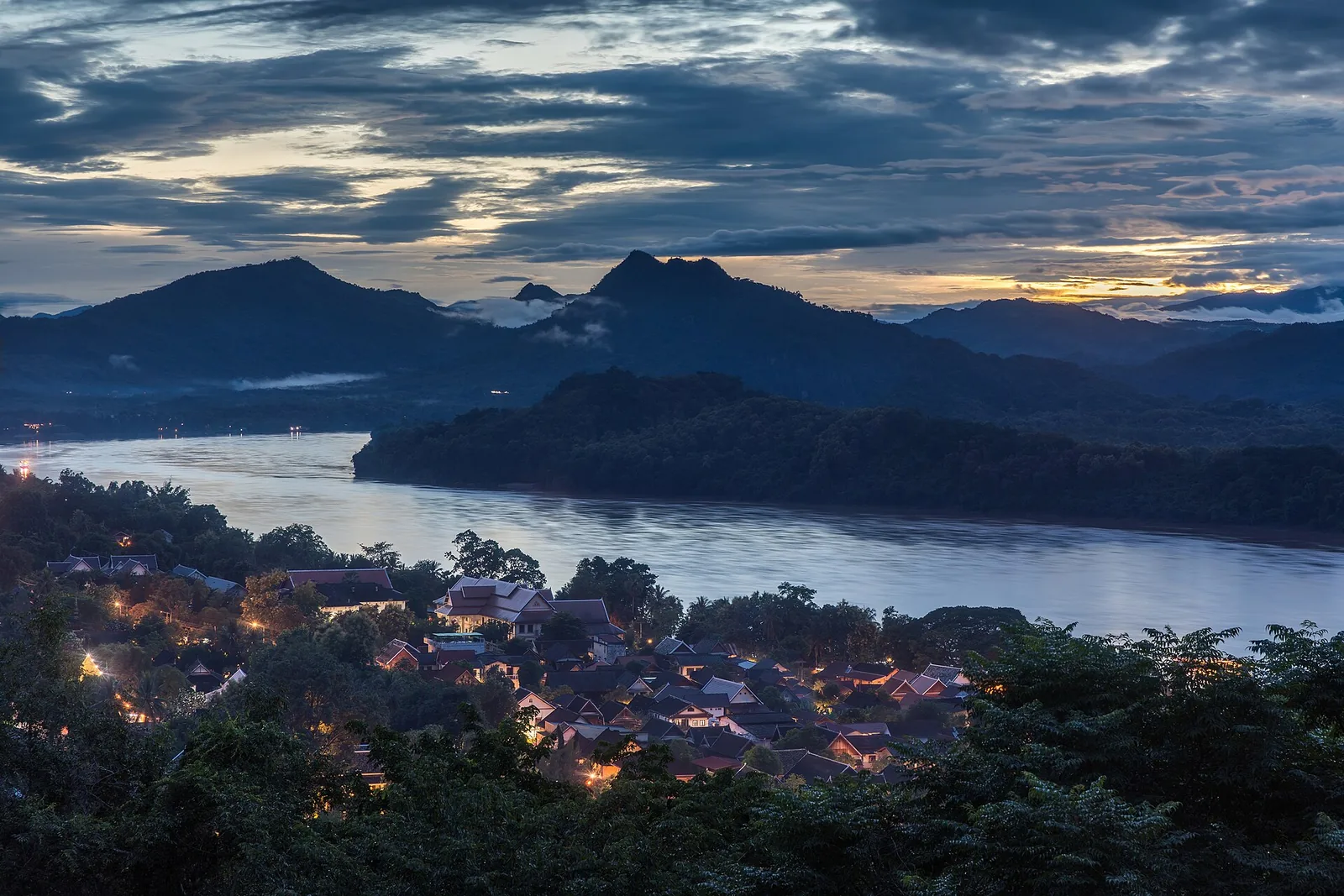
Nong Khiaw’s viewpoints are the main reason many travellers add the town. Trails climb steeply through forest to platforms above the Nam Ou valley. Phadeng Peak is the best-known name, while other viewpoints offer different angles and levels of difficulty.
Start early or climb later in the afternoon to avoid the strongest heat. Wear proper shoes, carry water and do not underestimate the descent after rain. Trail conditions and opening arrangements can change, so ask locally before setting out.
Walk the river and bridge
The bridge is the natural centre of Nong Khiaw and one of the easiest places to understand the landscape. Walk both riverbanks, stop for a drink with a view and return around sunset when the cliffs begin to lose their harsh midday contrast.
Visit the Pha Tok caves
The caves outside town were used as shelters during the war. They add historical context to a place that can otherwise feel defined only by scenery. Bring a light and follow the established route rather than wandering into unmarked chambers.
Take a locally guided trek
Treks can combine forest paths, farmland, waterfalls and villages inhabited by Khmu and Hmong communities. A good local guide explains the landscape and ensures village visits are arranged rather than intrusive.
Ask how long the walking sections are, what happens in wet weather and how fees are shared with host communities.
Continuing to Muang Ngoy
The boat journey along the Nam Ou is part of the experience. Services and departure arrangements can change with river conditions and demand, so confirm the current plan in Nong Khiaw rather than relying on an old timetable.
Muang Ngoy is compact and largely explored on foot. Popular days include walking through rice fields to nearby villages, visiting caves and spending unstructured time beside the river. The appeal is not a long checklist; it is the chance to slow the route down.
A practical five-day plan
Day 1: Arrive in Nong Khiaw, walk both riverbanks and watch sunset from the bridge.
Day 2: Complete a viewpoint hike, then keep the afternoon easy.
Day 3: Join a guided village trek, cave visit or waterfall excursion.
Day 4: Travel by boat to Muang Ngoy and explore the village on foot.
Day 5: Walk to nearby villages or caves, then stay a second night or return toward Nong Khiaw depending on the onward route.
Where to stay
In Nong Khiaw, the east side of the river has many traveller-oriented guesthouses and restaurants, while properties on either bank can offer excellent cliff views. Check whether the room faces the river or the road and whether steep steps are involved.
Muang Ngoy has simpler guesthouses and bungalows. Electricity, Wi-Fi and hot water may be less predictable than in larger towns. Choose the stay for its setting and hospitality rather than expecting resort-level service.
Getting there and onward
Nong Khiaw is normally reached by road from Luang Prabang. Journey times vary with vehicle type, road work and stops. Ask exactly where the minivan arrives and whether hotel pickup is included.
For onward travel, many visitors return to Luang Prabang before connecting to the railway. Travelling deeper into northern Laos is possible, but connections may require changes and a more flexible schedule.
Read Getting Around Laos before combining Nong Khiaw with fixed train tickets.
When to visit
The drier months generally offer clearer hiking conditions and easier roads. Cooler mornings can make viewpoint climbs more comfortable. During the wet season the valley is intensely green, but trails can be slippery and river or road plans may change.
Smoke and haze can affect views during parts of the late dry season. Check recent local conditions if photography and long panoramas are central to the trip.
Good to know
- Carry cash; card payment and reliable ATMs should not be assumed.
- Download maps and booking confirmations before travelling upriver.
- Bring a light layer for early boat journeys.
- Use established paths and local guides for longer hikes.
- Ask before photographing people in villages.
- Leave buffer time before a flight or fixed railway connection.