Champasak & Vat Phou
Plan Champasak and Vat Phou with temple history, riverside accommodation, cycling, transport from Pakse and a practical two-day southern Laos itinerary.
- Best for
- History, architecture, cycling and quiet riverside stays
- Ideal stay
- 2–3 days
- Last reviewed
- 2026-07-23
Why stay in Champasak?
Champasak is a small Mekong town south of Pakse and the natural base for Vat Phou. Many travellers visit the temple on a day trip, but staying overnight creates time for early or late light, cycling and a quieter view of southern Laos.
The town stretches along the river rather than around a dense centre. Traditional houses, temples, guesthouses and gardens line the main road, while the mountain of Phou Kao rises behind the Vat Phou landscape.
Vat Phou
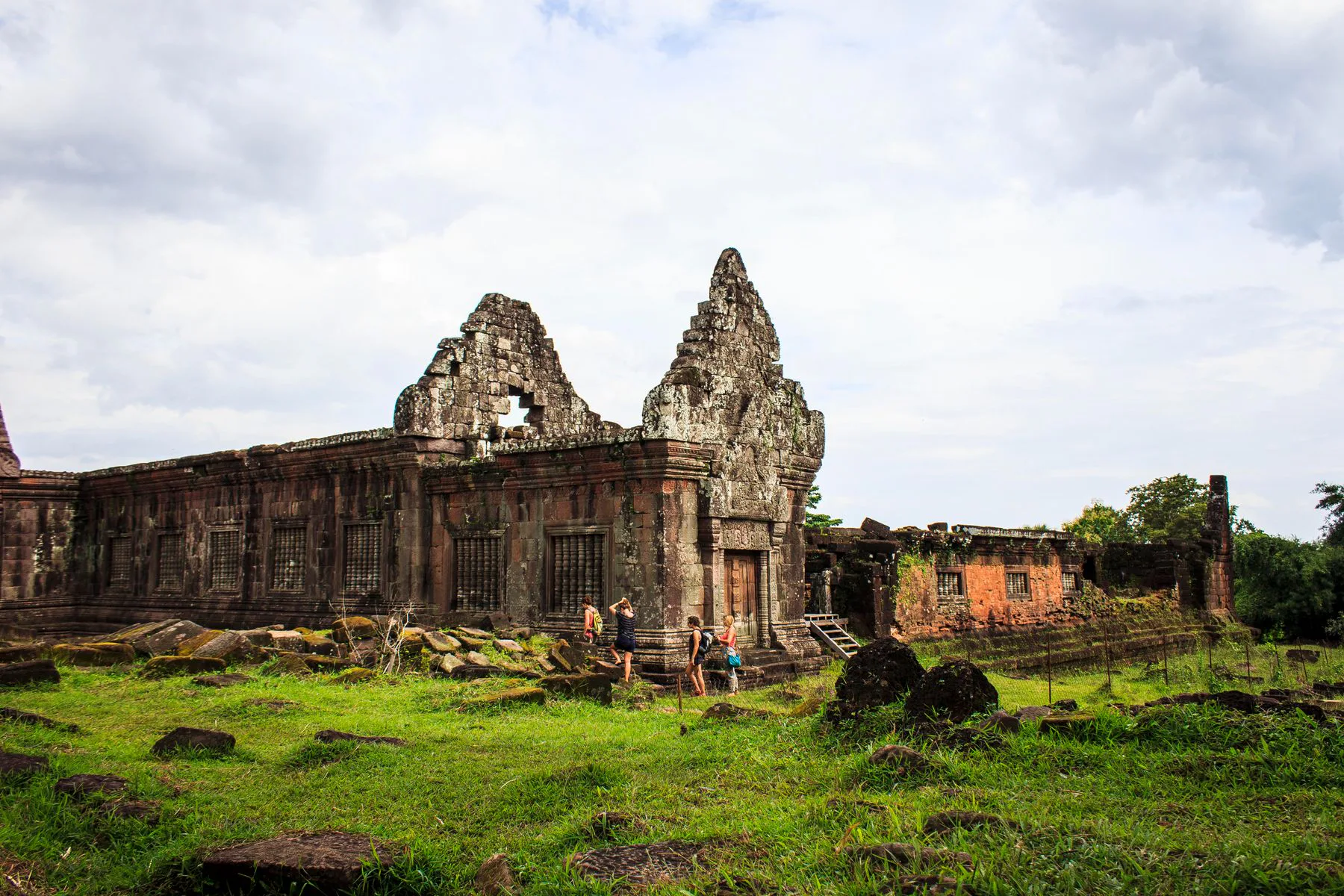
Vat Phou is a Khmer temple complex developed over centuries in a landscape designed around mountain, water and a ceremonial route. The site and its associated cultural landscape are recognised by UNESCO.
Walk slowly from the lower reservoirs and processional causeway toward the upper sanctuary. The climb is part of the design and reveals wider views across the Mekong plain.
Dress for a religious and archaeological site, carry water and protect yourself from the sun. Opening arrangements, restoration work and festival access can change, so confirm practical details locally.
How much time do you need?
One full day is enough for the temple and a short look around town. Two nights are better if you want to cycle, enjoy the riverfront and avoid treating Champasak as another hurried excursion.
Use three nights if the stay is meant to be a quiet break between the Bolaven Plateau and the 4,000 Islands.
Things to do beyond Vat Phou
Cycle the riverside road
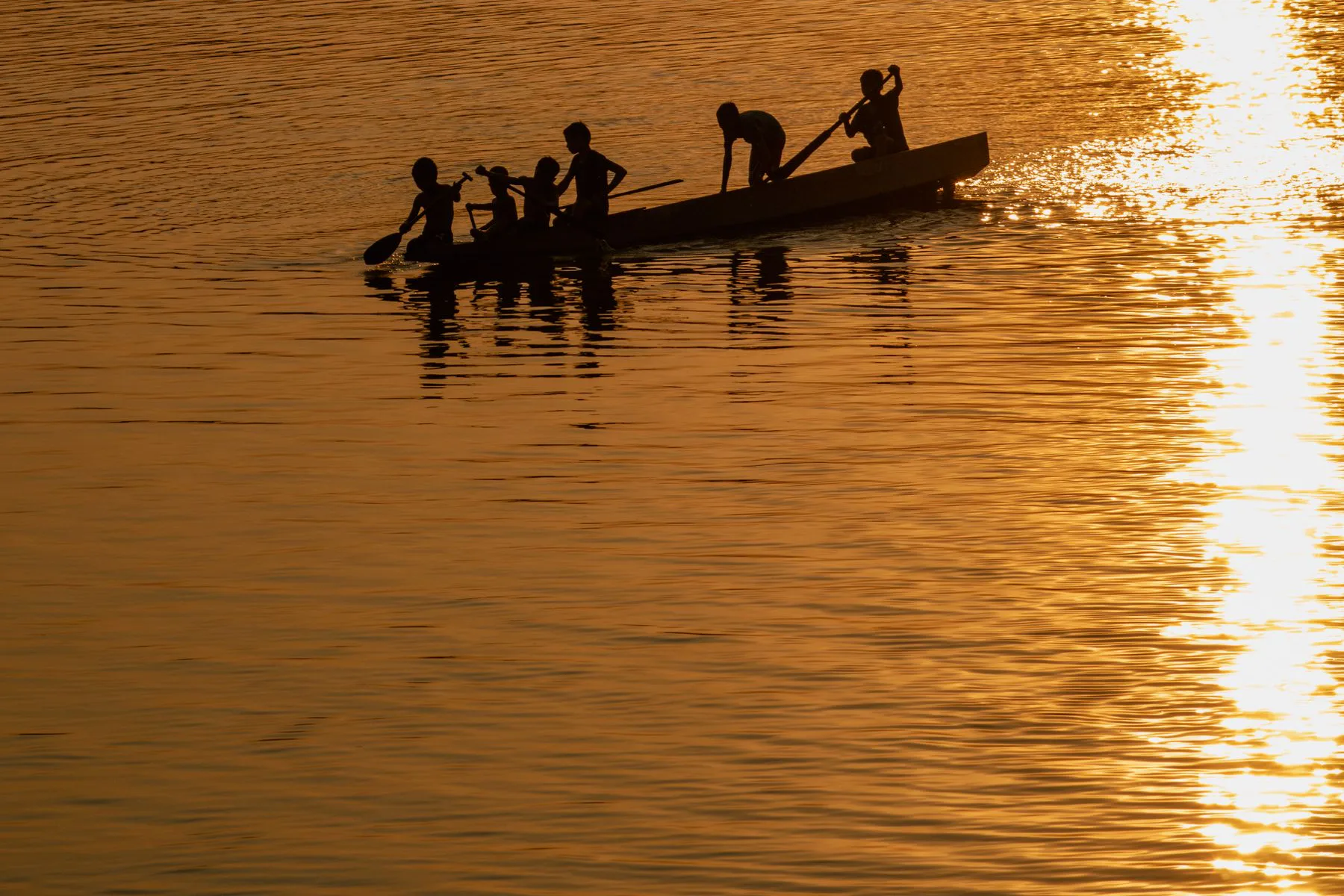
Champasak’s flat main road is easy to explore by bicycle. The attraction is the sequence of homes, gardens, temples and Mekong views rather than a collection of ticketed sights.
Visit Wat Muang Kang
This riverside temple outside the central area combines local religious life with unusual architectural details. Go quietly, dress respectfully and avoid interrupting ceremonies.
Cross the Mekong landscape
Boat and road arrangements around Champasak can change. Ask your accommodation about current crossings, island visits and bicycle routes rather than relying on an old map.
Slow down at the accommodation
Champasak is one of the places where a riverside terrace, garden or pool can justify spending more on the property. Build time to use it.
A practical two-day plan
Day 1: Arrive from Pakse, settle into a riverside stay and explore town by bicycle in the softer afternoon light.
Day 2: Visit Vat Phou early, then return for a long lunch and a quiet afternoon around the Mekong.
Continue south the following morning toward Nakasang and the 4,000 Islands, or return to Pakse for onward transport.
Where to stay
Central Champasak has family guesthouses, small heritage-style hotels and a few more polished riverside properties. The right choice depends on whether you want to walk to restaurants or spend most of the stay on the hotel grounds.
Check the exact location because the town is elongated. A property described as “Champasak” may be some distance from the main cluster of restaurants.
Getting there from Pakse
Champasak is reached by road from Pakse. Private drivers are the simplest option for a temple day trip, while local transport may require more flexibility.
If continuing to the 4,000 Islands, ask whether a direct transfer is available or whether returning to the main highway is necessary. Confirm the boat connection for the final island leg.
Read the Pakse guide when combining Champasak with the Bolaven Plateau.
When to visit
The dry season generally makes road travel and cycling easier. The hot months can make the exposed temple climb tiring, so start early and carry water.
During the annual Vat Phou festival, the area becomes far busier and accommodation should be arranged well ahead. Festival dates follow the lunar calendar and should be checked for the intended year.
Good to know
- Carry cash for smaller guesthouses and local transport.
- Dress with shoulders and knees covered at the temple.
- Do not climb or sit on fragile ruins.
- Bring sun protection for the exposed ceremonial route.
- Confirm transport the day before departure.
- Stay overnight if the route allows; Champasak is more rewarding after day-trippers leave.