Laos runs on cash
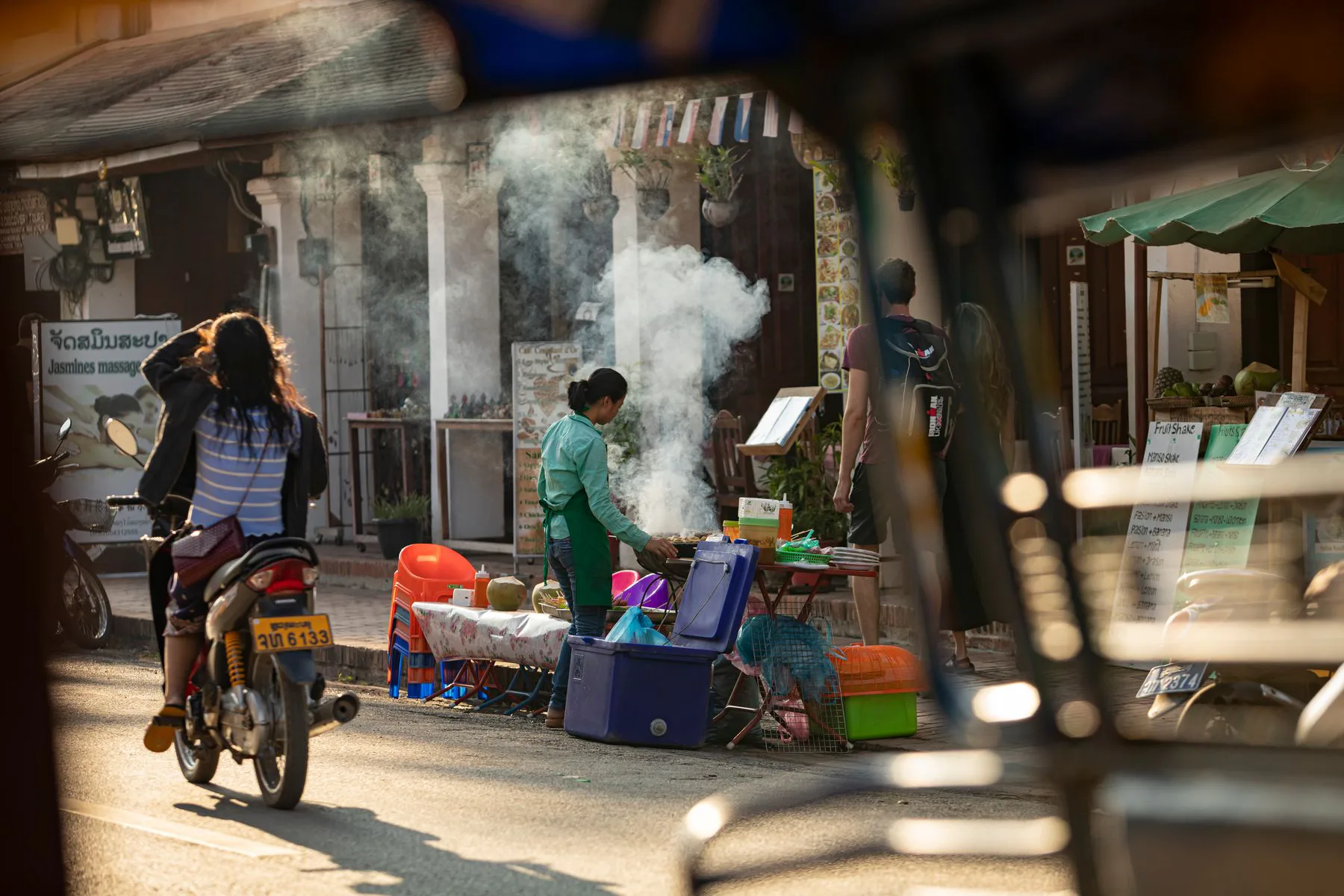
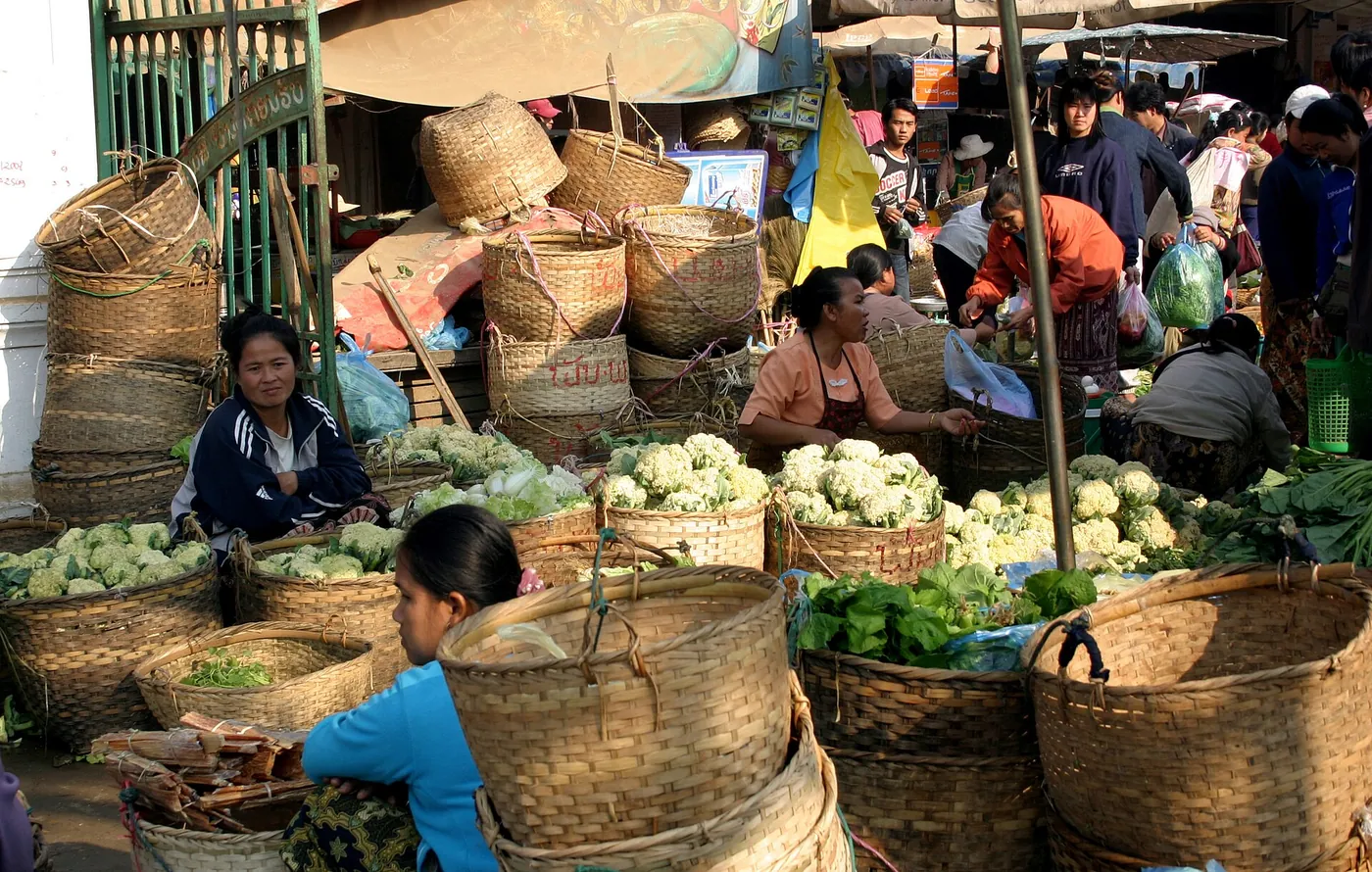
This is the first thing to understand: Laos is a cash economy. Cards are accepted at larger hotels, a few city restaurants and some tour operators, but almost everywhere else — markets, tuk-tuks, guesthouses, street food, bus tickets — it is kip in hand or nothing.
The currency is the Lao kip (₭). Prices run into the tens and hundreds of thousands, so you will quickly be carrying thick stacks of notes. That is normal. Keep them organised and keep a mix of small and large denominations.
ATMs: limits, fees, and how to lose less
Every foreign card gets hit twice at a Lao ATM: your home bank’s international fee, plus a local machine fee of roughly 20,000–40,000 kip per withdrawal. On top of that, most machines cap a single withdrawal at around 1,000,000–2,000,000 kip.
The maths is simple: withdraw the maximum the machine allows, every time. Two big withdrawals cost far less in fees than five small ones.
A few practical notes:
- BCEL has the most reliable and widespread ATMs, including at the airports and border crossings. It is a safe default.
- Withdraw at an airport or in a decent-sized town rather than relying on a machine in a small village, where ATMs are scarce and sometimes empty or offline.
- Tell your bank you are travelling before you go, or your card may be blocked on the first foreign attempt.
- Take a backup card kept somewhere separate. A swallowed or blocked card in a cash country is a real problem.
Carry small notes
Drivers and market sellers rarely have change for a large note. Hand a tuk-tuk driver a 100,000 kip note for a 20,000 kip ride and you will get a slow, awkward search for change — or a shrug.
Break big notes when you can — at your hotel, a supermarket, a bigger restaurant — and keep a pocket of small kip for tuk-tuks, water, snacks and markets.
Cards and QR payments
Locals now pay for almost everything by scanning a QR code through banking apps like BCEL One and the national LaoQR system. You will see it everywhere — even a noodle stall.
The catch: these apps need a Lao bank account, so as a visitor you generally can’t use them. It is a neat illustration of the wider pattern — a lot of Lao life runs on systems built for residents, not tourists. (It is the same reason the official train app rejects foreign cards, which is why we book those tickets for you.)
The kip is a “closed” currency
The kip is hard to buy or sell outside Laos, and you’ll get a poor rate for it if you try. So:
- Don’t over-withdraw at the end of your trip. Aim to spend your last kip before you fly out.
- The airport is the worst place to change leftover kip back. Spend it on a meal, a gift or a tip instead.
US dollars and Thai baht
You may see prices quoted in US dollars (some visas, a few tours) and Thai baht is accepted near the Thai border. Both are taken in some places — but usually at a poor exchange rate. Unless a price is officially in dollars, pay in kip and you’ll pay less.
Bringing a small amount of clean, undamaged US dollars as an emergency backup is sensible. Torn or marked notes are often refused.
Money changers
For cash you bring with you, licensed money changers and banks in the towns generally give a better rate than an ATM withdrawal, with no per-transaction fee. Compare a couple, count your notes before leaving the counter, and avoid changing money with people who approach you on the street.
A rough daily budget
Costs vary by season and style, but as a very rough guide per person, per day:
- Budget: guesthouse, street food, local transport — modest.
- Mid-range: comfortable hotel, restaurants, the odd tour and train ticket — moderate.
- Splurge: boutique stays, private drivers, guided experiences — higher, but still low by Western standards.
Trains, tours and nicer hotels are where the money goes; day-to-day food and transport stay cheap.
Money checklist for Laos
- Carry kip — cards won’t cut it outside the cities.
- Withdraw the maximum each ATM visit to save on fees.
- Use BCEL ATMs where you can; keep a backup card.
- Keep a pocket of small notes for tuk-tuks and markets.
- Tell your bank you’re travelling before you go.
- Don’t leave with a wallet full of kip — spend it before you fly.
Next, sort your connection so maps and translation work from the moment you land — read our guide to SIM cards and internet in Laos.